
How to Choose the Right Pattern and Color for Stamped and Decorative Concrete in Des Moines
Zachary Schreiber • March 24, 2026
How to Choose the Right Pattern and Color for Stamped and Decorative Concrete in Des Moines
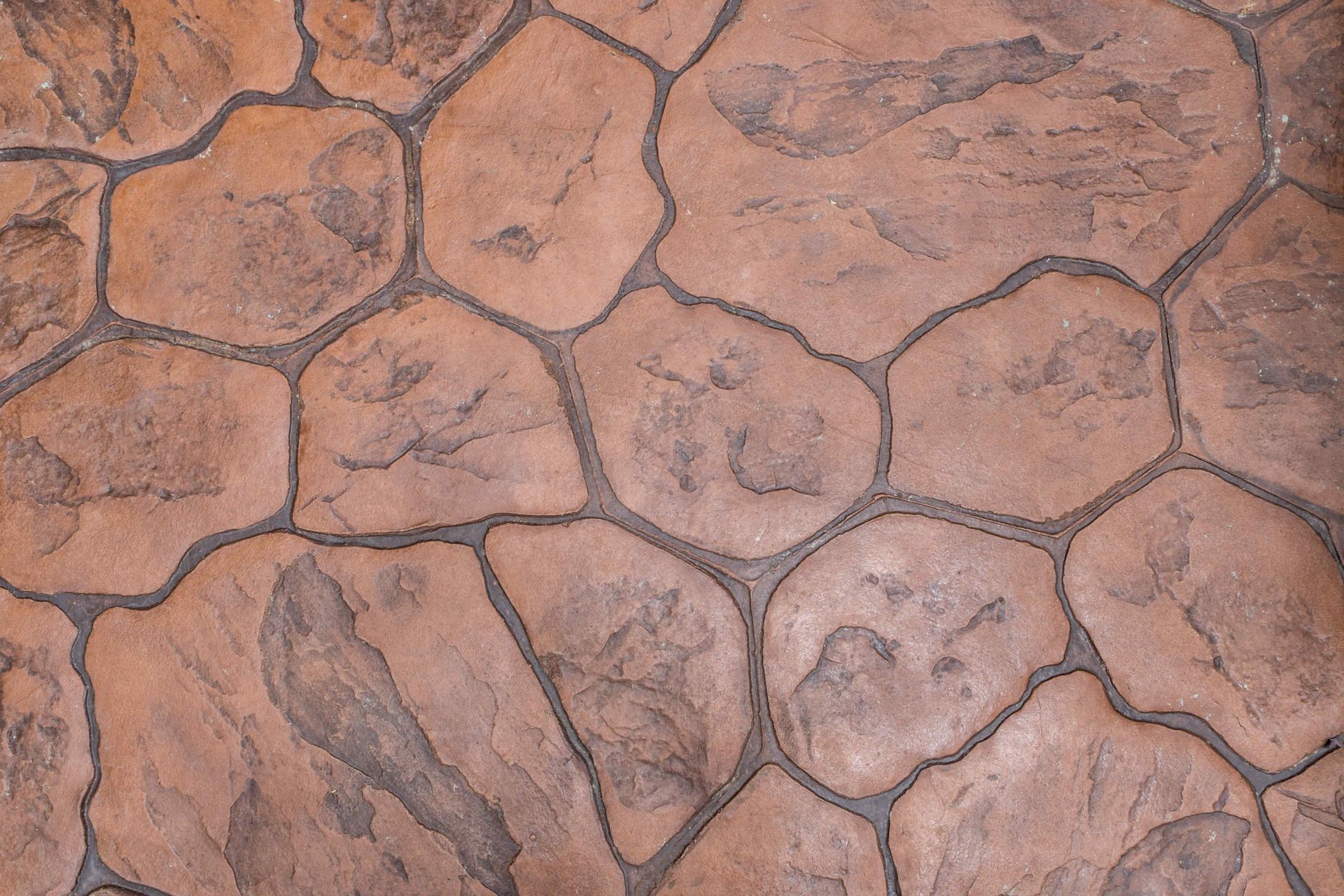
Stamped and decorative concrete opens up a wide range of design choices that plain gray concrete simply cannot offer. Patterns, textures, colors, and stains can transform a driveway, patio, pool deck, or garage floor into a surface that looks intentional and sharp. But with that range of options comes a common challenge — knowing where to start. Homeowners in Des Moines often arrive at the design conversation without a clear picture of what they want or what will work well for their specific situation. This post walks through the key decisions involved in choosing a stamped pattern or decorative finish, and what to consider before you commit to a direction.
Start with the Surface, Not the Catalog
The first mistake many homeowners make is jumping straight to pattern catalogs and color chips before thinking about where the concrete will be used and what conditions it will face. The right decorative finish for a covered indoor patio is different from the right finish for an exposed driveway that gets full Iowa sun in July and road salt all winter.
Start by asking a few practical questions. Is this surface indoors or outdoors? Will it get direct sunlight? Will vehicles drive on it? Will it be near a pool where bare feet and constant moisture are factors? Will it need to handle ice melt products in winter? The answers to these questions narrow the field significantly before you look at a single pattern or color option.
Outdoor surfaces in Des Moines need patterns and finishes that hold up through freeze-thaw cycling, UV exposure, and road salt. Some decorative options that look stunning in a showroom photo can perform poorly in Iowa's climate without the right sealer and maintenance plan. Knowing the demands of the surface first keeps you from falling in love with a finish that will not last.
Choosing a Stamped Concrete Pattern
Stamped concrete patterns fall into a few broad categories. Understanding what each one offers helps narrow the decision quickly.
Natural stone patterns are the most popular choice for patios and pool decks in Des Moines. Flagstone, ashlar slate, and irregular stone patterns replicate the look of natural cut stone without the cost or the individual piece movement that real stone develops over time. These patterns work well on large flat surfaces because the irregular shapes break up the visual field and make the surface look less like a single poured slab.
Brick patterns are a strong choice for driveways, walkways, and border accents. Running bond and herringbone brick patterns give a clean, traditional appearance that complements most home exteriors. Brick patterns also tend to age gracefully. The defined lines of a brick pattern remain readable even as the surface weathers over several Iowa winters.
Wood plank patterns have grown in popularity for covered patios and outdoor living spaces. They replicate the look of deck boards or reclaimed wood and work well in areas where a warm, residential feel is the goal. One consideration in Des Moines is sun exposure. Wood plank patterns with strong color contrast can look washed out on surfaces that receive full afternoon sun for most of the year. Choosing a color palette that accounts for UV fading matters more on south and west-facing surfaces.
Cobblestone and European fan patterns add a distinctive, high-end look to driveways and entrance areas. These patterns have more visual detail than brick or stone and work best on larger surfaces where the full pattern can develop and be seen. On a small walkway, a complex cobblestone pattern can feel busy. On a wide driveway approach, the same pattern makes a strong impression.
Color Choices for Stamped Concrete in Iowa
Color is where many homeowners spend the most time deciding, and it is also where the most common mistakes happen. The goal is to choose colors that complement the home's exterior, hold up to Iowa's UV exposure, and look natural rather than artificial.
Stamped concrete color comes from two sources. The base color comes from a color hardener broadcast into the surface of fresh concrete before stamping. The accent color comes from a release agent applied to the stamps that leaves a contrasting tone in the recessed areas of the pattern. Together, these two colors create the depth and dimension that makes stamped concrete look like real stone or brick rather than tinted concrete.
Earth tones are the most reliable choice for outdoor stamped concrete in Des Moines. Warm tans, soft grays, terracotta, sandstone, and weathered brown tones all complement central Iowa's natural surroundings and blend well with the brick, stone, and neutral siding common on Des Moines area homes. These tones also age well. As the sealer weathers and the surface patinas over time, earth tone stamped concrete tends to look better, not worse.
Bold or saturated colors are a higher-risk choice for Des Moines exteriors. Deep reds, bright blues, and vivid greens can look striking when first sealed but tend to fade unevenly under Iowa's intense summer sun. UV exposure bleaches color over time, and saturated tones show that fading more visibly than muted earth tones. If a bold color is the goal, a UV-stable sealer and a consistent resealing schedule are essential to maintain the appearance.
Contrast between the base color and the accent color also shapes the final result significantly. High contrast between the two colors creates a bold, dramatic look with strong definition between the pattern elements. Low contrast produces a softer, more blended appearance that reads as more natural. Most residential projects in Des Moines lean toward moderate contrast — enough definition to read the pattern clearly without the surface looking painted.
Concrete Staining: A Different Kind of Decorative Finish
Staining is a separate category from stamped concrete and works differently. A stain does not sit on top of the concrete as a coating. It penetrates the surface and reacts with the minerals in the slab to create color from within. The result is a finish that cannot peel or chip because the color is part of the concrete itself.
Acid stains create rich, organic tones with natural variation across the surface. No two acid-stained floors look exactly alike. The variation comes from the mineral content of the specific slab being stained, which means the result is unique to that surface. Common acid stain tones include warm amber, bronze, terra cotta, and deep coffee. These work especially well on interior floors, covered patios, and any surface where a natural, aged appearance is the goal.
Water-based stains offer more color predictability and a wider palette than acid stains. If a specific color is needed to match an interior design scheme, a commercial brand standard, or a particular aesthetic, a water-based stain is the better tool. The color is more consistent and controllable than the organic variation of acid staining.
One important consideration for staining in Des Moines is surface condition. Stain only works on concrete that is clean, bare, and free of previous sealers or coatings. A garage floor that has been previously painted or coated cannot be stained without removing the existing coating first. An assessment of the existing surface is always the first step before staining is recommended.
Matching the Finish to the Home and the Neighborhood
The best decorative concrete finish is one that looks like it belongs. That means considering the home's architectural style, exterior color palette, and the character of the surrounding neighborhood before finalizing any design decision.
A traditional brick colonial home in an established Des Moines neighborhood looks best with a stamped driveway or patio that uses classic patterns and subdued earth tones. A modern home with clean lines and a neutral exterior can carry a more geometric pattern or a sleek concrete stain in a cool gray tone. Matching the decorative finish to the architectural context of the home is what separates a finished result that looks designed from one that looks like a disconnected add-on.
It also helps to consider the finish in the context of the surrounding hardscaping. If the property has natural stone landscaping borders, brick edging, or wood decking nearby, the decorative concrete finish should complement those materials rather than compete with them. A stamped patio that ties in with existing stone retaining walls or matches the color of brick pavers nearby creates a cohesive outdoor space that adds real value to the property.
The Right Choice Comes From the Right Conversation
Choosing a stamped pattern or decorative finish is not a decision that should happen entirely on your own from a catalog. The best results come from a conversation that covers how the surface will be used, what conditions it will face in Des Moines's climate, what the surrounding property looks like, and what the long-term maintenance plan will be.
DSM Concrete Pros works with Des Moines homeowners through the design process before any concrete gets poured. We bring pattern and color samples to the site, discuss what holds up well in Iowa's conditions, and help narrow the options to a finish that looks great and performs for the long term. If you are planning a stamped or decorative concrete project, call us today or fill out the contact form to schedule a free on-site consultation.
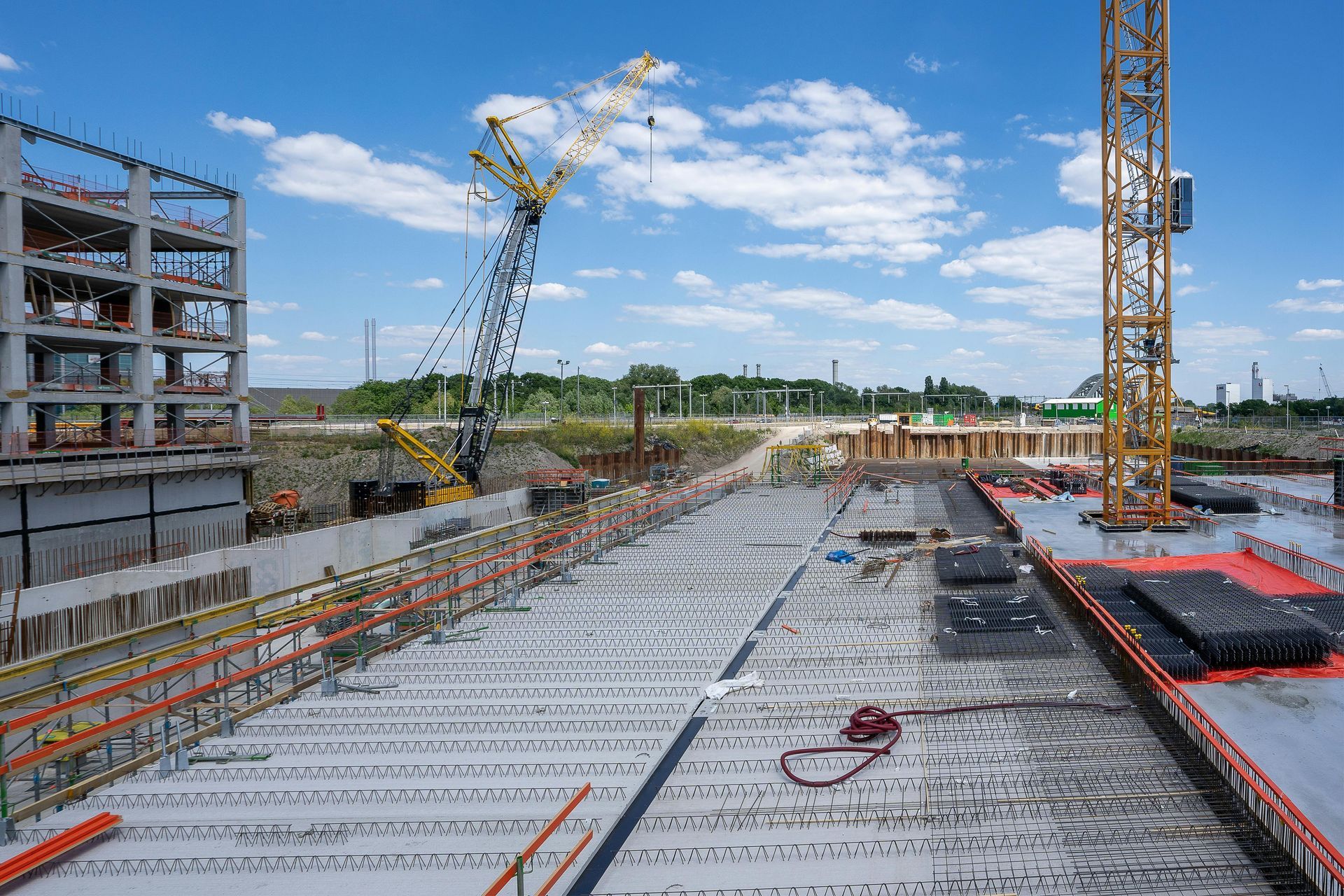
Commercial concrete projects carry a different level of consequence than residential work. A cracked residential driveway is an eyesore and an inconvenience. A cracked warehouse floor that causes a loaded forklift to bounce, a parking lot that pools water against a building foundation, or a loading dock apron that settles and creates a lip between the dock and the truck bed — these are problems that affect safety, liability, and daily business operations. The contractor you hire for a commercial concrete job makes a direct impact on how well the finished product performs, how long it lasts, and what it costs you over time. This post explains what separates a contractor who is ready for commercial work from one who is not. Commercial Concrete Is Not Residential Concrete at a Larger Scale It is a common assumption that a contractor who pours good residential driveways and patios can step into a commercial concrete project without much adjustment. That assumption leads to a lot of failed commercial slabs. Commercial concrete work involves load calculations, mix design specifications, reinforcement engineering, flatness tolerances, and drainage requirements that residential flatwork simply does not demand at the same level. A warehouse floor that will carry 10,000-pound forklifts needs a specific slab thickness, a specific concrete compressive strength, a specific reinforcement layout, and a specific sub-base depth. Getting any one of those wrong does not just produce a floor that looks bad. It produces a floor that fails under load and has to be repaired or replaced — at high cost and disruption to the business operating above it. Commercial projects also come with tighter tolerances for flatness and levelness. A floor that is slightly uneven in a residential garage is a minor issue. The same variance in a warehouse running narrow-aisle forklifts is a safety hazard. Floor flatness specifications on commercial slabs are real requirements, not suggestions. Meeting them takes experience, the right screeding equipment, and a crew that has done it before. The Real Cost of a Low Bid on a Commercial Concrete Job Price is always part of the conversation on commercial projects. It should be. But the lowest bid on a commercial concrete job is rarely the lowest cost over the life of the project. Understanding why requires looking at what corners get cut when a contractor bids low. Sub-base preparation is the first place a low-bid contractor saves time and money. Proper sub-base work involves removing soft or unstable soil, bringing in the right amount of compacted granular fill, and verifying compaction before forms go up. Skipping or shortening this step saves a day of labor and a few loads of material. It also puts the slab on an unstable foundation that will settle, crack, and require repair within a few years. In Des Moines, where clay soils shift significantly with seasonal moisture changes, a thin or poorly compacted sub-base is a near guarantee of early slab failure. Concrete mix design is another area where corners get cut. A lower-strength mix costs less per yard. It also handles heavy loads less well and breaks down faster under traffic and Iowa's freeze-thaw cycling. A contractor who substitutes a cheaper mix to protect their margin delivers a slab that does not perform to the specification the job required. Reinforcement placement is a third area. Rebar that is placed at the wrong depth in the slab, spaced too far apart, or left out entirely in areas where it was specified does not show on the surface. You cannot see it after the pour. But when the slab begins to crack, and those cracks widen and spread, the absence of proper reinforcement becomes very clear — and very expensive to address. What Experience Actually Looks Like on a Commercial Pour Experience in commercial concrete work is not just years in business. It is the specific knowledge that comes from having planned, poured, and finished large commercial slabs in conditions like Des Moines. An experienced commercial contractor reads a site before a single form gets set. They look at the soil conditions, check for drainage patterns, identify how water will move across the finished surface, and plan control joint layouts before the concrete truck arrives. They know how Iowa's clay soils behave under load and through seasonal moisture cycles. They choose mix designs based on the actual use of the slab, not a standard residential specification applied to a commercial setting. On pour day, an experienced crew manages the concrete from the truck to the finished surface without losing control of the process. Large commercial pours move fast. Concrete has a limited working window, and that window shrinks on hot Des Moines summer days when temperatures push into the 90s. A crew that has managed large pours knows how to maintain consistent quality from the first section to the last. A crew that has not done it before often shows the difference in the finished surface — inconsistent texture, control joints cut too late, or surface finishing that rushed ahead of the bleed water. An experienced contractor also understands the sequencing demands of commercial projects. They coordinate with other trades, respect the project schedule, and communicate clearly when conditions require adjustments. A contractor who shows up without a plan and figures it out on the fly creates problems that ripple through the rest of the project. Licensing, Insurance, and Accountability on Commercial Projects Commercial concrete projects involve real liability exposure. A slab that fails and causes a forklift accident, a parking lot apron that settles and damages a vehicle, or a loading dock that creates a fall hazard all carry legal and financial consequences for the property owner. Who installed that concrete and whether they were properly licensed and insured matters a great deal when those situations arise. A contractor working on commercial projects in Des Moines should carry general liability insurance and workers' compensation coverage at levels appropriate for the scope of the work. General liability protects the property owner if the contractor's work causes damage to the property or injury to a third party. Workers' compensation protects the property owner from liability if a worker is injured on the job. Hiring an uninsured contractor to save money on a commercial project transfers that liability directly to the property owner. Licensing requirements for concrete contractors vary by jurisdiction, but the underlying principle is the same everywhere. A licensed contractor has met a baseline standard of knowledge and accountability. They have a business identity that can be verified, reviewed, and held responsible for the work they produce. A contractor operating without proper licensing has none of those accountability structures in place. Ask for proof of insurance before signing any commercial concrete contract. A reputable contractor provides it without hesitation. One who cannot produce current certificates of insurance is not a contractor you want on a commercial job site. Questions to Ask Before Hiring a Commercial Concrete Contractor in Des Moines Before hiring any contractor for a commercial concrete project in the Des Moines area, ask the following questions to give you a clear picture of who you are dealing with and whether they are ready for the work. Have they completed commercial concrete projects of similar scope in central Iowa? A contractor with a strong residential track record but no commercial experience is taking on your project as a learning opportunity. That is a risk you should not accept on a job that affects your business operations. Can they provide references from commercial clients in the Des Moines metro? A contractor confident in their commercial work will have references ready. Call those references. Ask about whether the project came in on schedule, whether the finished slab met the specified tolerances, and how the contractor handled any issues that came up during the job. What mix design will they use and why? A contractor who cannot explain the mix design they plan to use for your specific project has not thought carefully about the job. The mix should be specified for the load requirements and for Iowa's climate conditions — not defaulted to whatever they use on residential driveways. What is their plan for sub-base preparation? The answer to this question reveals more about a contractor's standards than almost any other. A contractor who plans to compact what is already there and pour is cutting corners before the job even starts. Proper sub-base work for a commercial slab takes time and material. A contractor who accounts for that in their process is a contractor who understands what the job requires. Commercial Concrete Done Right Protects Your Business A commercial concrete slab is not just a floor. It is the foundation of daily operations for the business above it. A slab that performs well protects workers, equipment, and inventory. A slab that fails disrupts all three and generates repair costs, liability exposure, and operational downtime that far exceed whatever was saved by choosing the wrong contractor. DSM Concrete Pros pours commercial concrete slabs, parking lot flatwork, loading dock aprons, curbs and gutters, and exterior concrete for businesses throughout the Des Moines metro. We bring the right equipment, the right mix designs, and the right process to every commercial job we take on. If you have a commercial concrete project coming up, call us today or fill out the contact form to schedule a free on-site estimate.
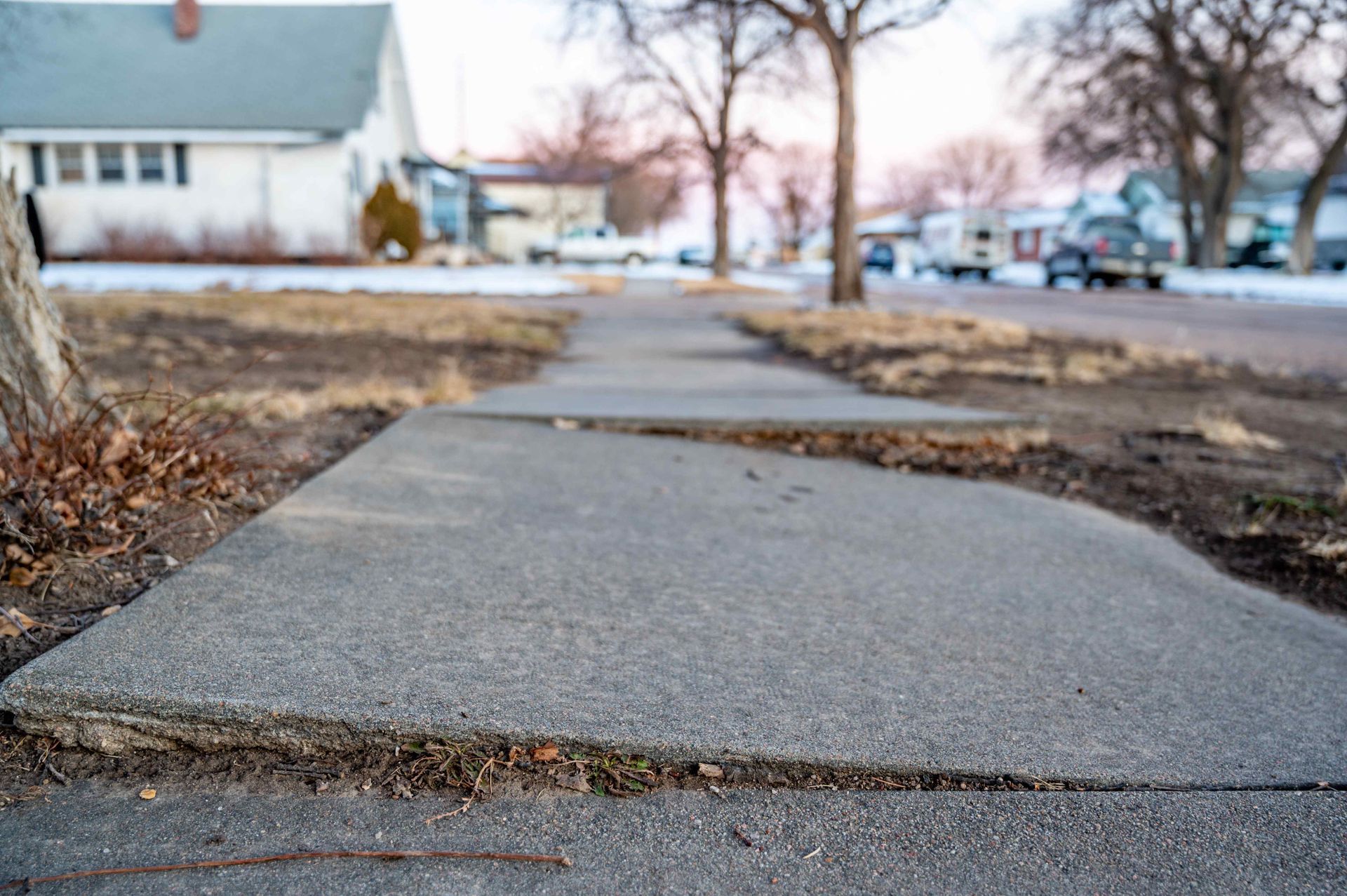
Iowa's freeze-thaw cycles, clay soils, and road salt all threaten concrete. DSM Concrete Pros explains what Des Moines homeowners need to know before they pour.