
What Every Des Moines Homeowner Should Know About Pouring Concrete in Iowa's Climate
Zachary Schreiber • March 24, 2026
What Every Des Moines Homeowner Should Know About Pouring Concrete in Iowa's Climate
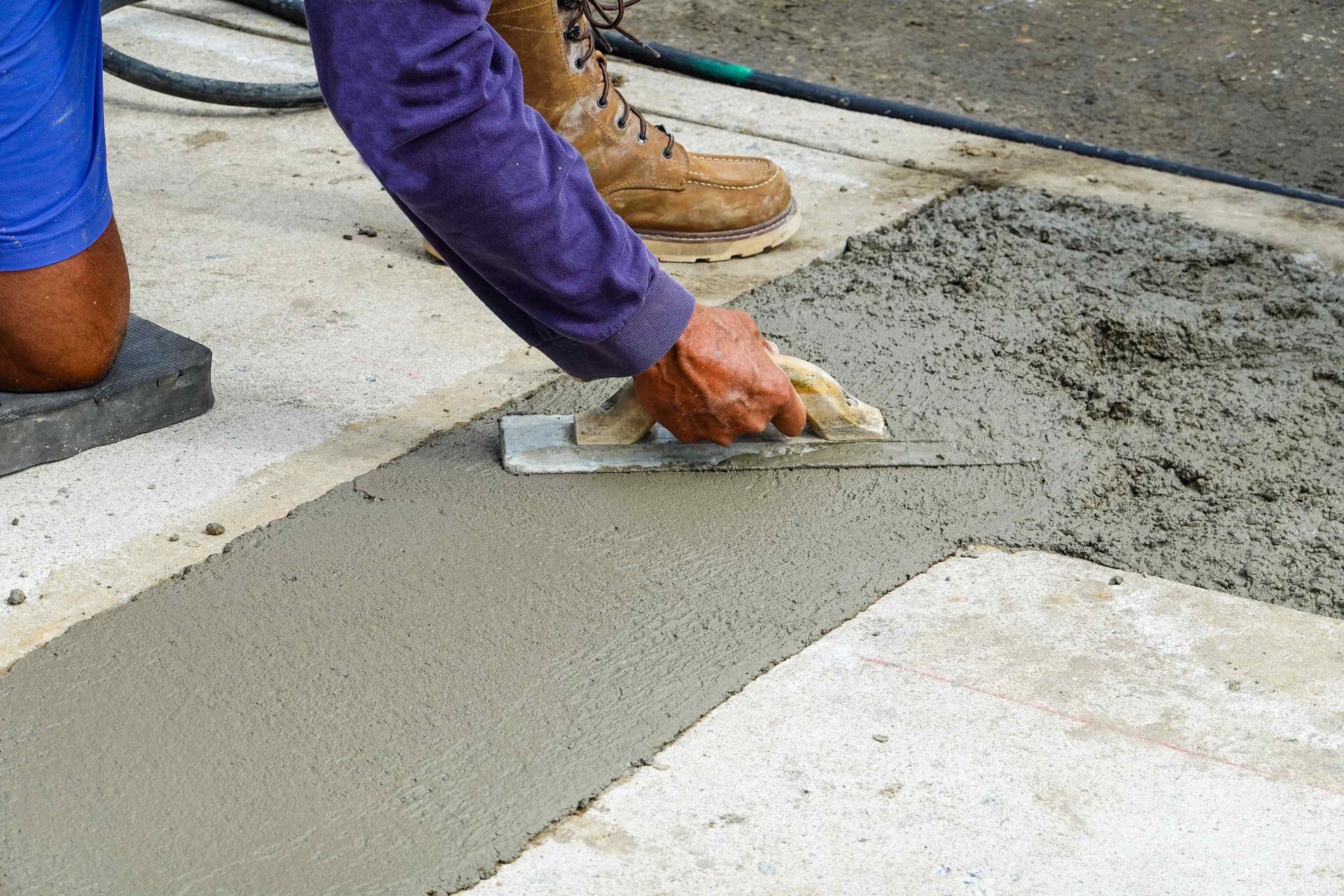
Des Moines sits in one of the most demanding climates for concrete in the entire country. Four true seasons, extreme temperature swings, heavy spring rainfall, and some of the deepest frost lines in the Midwest all work against a concrete slab from the day it is poured. If you are planning a concrete project in the Des Moines area — whether that is a new driveway, a backyard patio, or a garage floor — understanding how Iowa's climate affects concrete will help you make better decisions and ask the right questions before any work begins.
Iowa's Freeze-Thaw Cycle Is Concrete's Biggest Enemy
The freeze-thaw cycle is the single greatest threat to concrete in the Des Moines area. It works like this. Water finds its way into the small pores and surface cracks of a concrete slab. When temperatures drop below 32 degrees, that water freezes. Water expands by roughly nine percent when it freezes. That expansion pushes outward against the walls of the pore or crack. The concrete has nowhere to flex, so it cracks or chips instead.
Now multiply that by a Des Moines winter. Temperatures in central Iowa can cross the freezing threshold dozens of times between November and March. Each cycle does a little more damage. A small surface crack in October can become a wide fracture by spring. A hairline crack you barely noticed last fall can become a trip hazard by the time the snow melts.
This is why concrete installed without proper air entrainment, adequate thickness, and a well-compacted base fails so much faster in Iowa than in milder climates. The freeze-thaw cycle does not forgive shortcuts.
What Air Entrainment Means and Why It Matters in Des Moines
Air entrainment is a concrete mix property that most homeowners have never heard of. It is one of the most important factors in how well concrete holds up in Iowa's winters.
An air-entrained concrete mix contains millions of tiny microscopic air bubbles distributed throughout the paste. These bubbles act as pressure relief valves. When water inside the concrete freezes and expands, it has somewhere to go. The air voids absorb the expansion and relieve the internal pressure before it reaches the point of cracking.
Concrete without air entrainment has no relief system. The expanding water has no place to go except outward. That is what drives spalling — the flaking and pitting you see on driveways and sidewalks that have been through several Iowa winters without proper protection.
All exterior concrete poured in Des Moines should use an air-entrained mix. This includes driveways, patios, sidewalks, pool decks, retaining walls, and any other concrete surface exposed to the elements. Interior concrete, such as basement floors, does not face the same freeze-thaw exposure, so air entrainment is less critical there. But the moment a concrete surface sees Iowa winters, air entrainment is not optional.
The Best Time of Year to Pour Concrete in Des Moines
Concrete cures best when temperatures stay between 50 and 70 degrees Fahrenheit. That range gives the concrete enough warmth to hydrate properly without drying out too fast or too slow. In Des Moines, that window falls most reliably in spring and fall.
Spring concrete work — from mid-April through early June — gives concrete ideal curing conditions. The ground has thawed from winter, temperatures are moderate, and humidity is high enough to slow surface drying. This is one of the best seasons for concrete work in central Iowa.
Fall concrete work — from September through mid-October — offers similar conditions. Temperatures cool down from the summer heat, and the weather tends to be stable. This is another strong window for concrete projects in Des Moines.
Summer pours are possible but demand more attention. When Des Moines temperatures climb into the 90s with high humidity, fresh concrete sets faster than usual. A faster set shortens the window for finishing, increases the risk of surface cracking, and makes it harder to maintain consistent quality across a large pour. Experienced crews adjust their approach in summer heat by pouring earlier in the day, using sun shading, and keeping the surface moist during curing.
Winter pours are the most challenging. Cold temperatures slow the chemical reaction that hardens concrete. If the concrete freezes before it gains enough strength — typically before it reaches about 500 PSI — the slab can be permanently damaged. Cold-weather concrete work requires heated enclosures, insulating blankets, and heated mix water to protect the pour through the early curing period. It is doable, but it adds cost and complexity. Most homeowners in Des Moines choose to schedule concrete work outside of the coldest winter months when possible.
How Iowa Soils Affect Concrete Slabs
The ground beneath a concrete slab matters just as much as the concrete itself. Central Iowa soils are heavily clay-based. Clay absorbs water and expands when wet. It loses moisture and contracts when dry. That expansion and contraction cycle applies pressure to anything sitting on top of it — including concrete slabs.
When clay soil beneath a slab swells after heavy spring rains, it pushes the slab upward. When it dries out and shrinks in the summer, it pulls away from the slab and creates voids. A slab with no support beneath it will eventually crack and settle into those voids. This is why you see concrete driveways and patios in Des Moines that slope, crack, or develop low spots over time.
The fix is proper sub-base preparation before the pour. Compacted granular material — typically gravel — drains well and does not expand with moisture the way clay does. It gives the slab a stable, consistent platform. Skipping this step or cutting it short to save time is one of the most common reasons concrete fails prematurely in central Iowa.
Road Salt and De-Icing Chemicals: A Hidden Threat
Most Des Moines homeowners use salt or de-icing products on driveways and sidewalks every winter. It is a practical choice for safety. It also accelerates concrete deterioration if the surface is not properly sealed and if the wrong products are used.
Rock salt and calcium chloride lower the freezing point of water. That sounds helpful, but what it actually does is increase the number of freeze-thaw cycles a surface experiences. Instead of water freezing and staying frozen until temperatures rise, the salt keeps melting and refreezing at lower temperatures. More freeze-thaw cycles mean more expansion and contraction events working against the concrete.
Salt also reacts chemically with concrete and weakens the surface over time. The pitting and surface scaling you see on older driveways in Des Moines often traces back to years of salt exposure combined with inadequate sealing.
A quality concrete sealer applied to exterior surfaces creates a barrier that slows water penetration and reduces chemical exposure. DSM Concrete Pros recommends sealing all exterior concrete and resealing it every two to three years. That simple maintenance step extends the life of a concrete surface significantly in Iowa's winter conditions.
Good Concrete in Des Moines Starts with the Right Contractor
Iowa's climate does not leave much room for shortcuts on concrete work. The freeze-thaw cycle, clay soils, summer heat, and winter cold all test a concrete slab in ways that milder climates simply do not. A slab built with the right mix design, proper base preparation, adequate thickness, and quality sealing will hold up through Iowa winters for decades. A slab that skips any of those steps will show the consequences within a few seasons.
DSM Concrete Pros has poured concrete throughout the Des Moines metro and understands what Iowa's climate demands from every project. If you have questions about an upcoming concrete project or want to get a free estimate, call us today or fill out the contact form on our website.
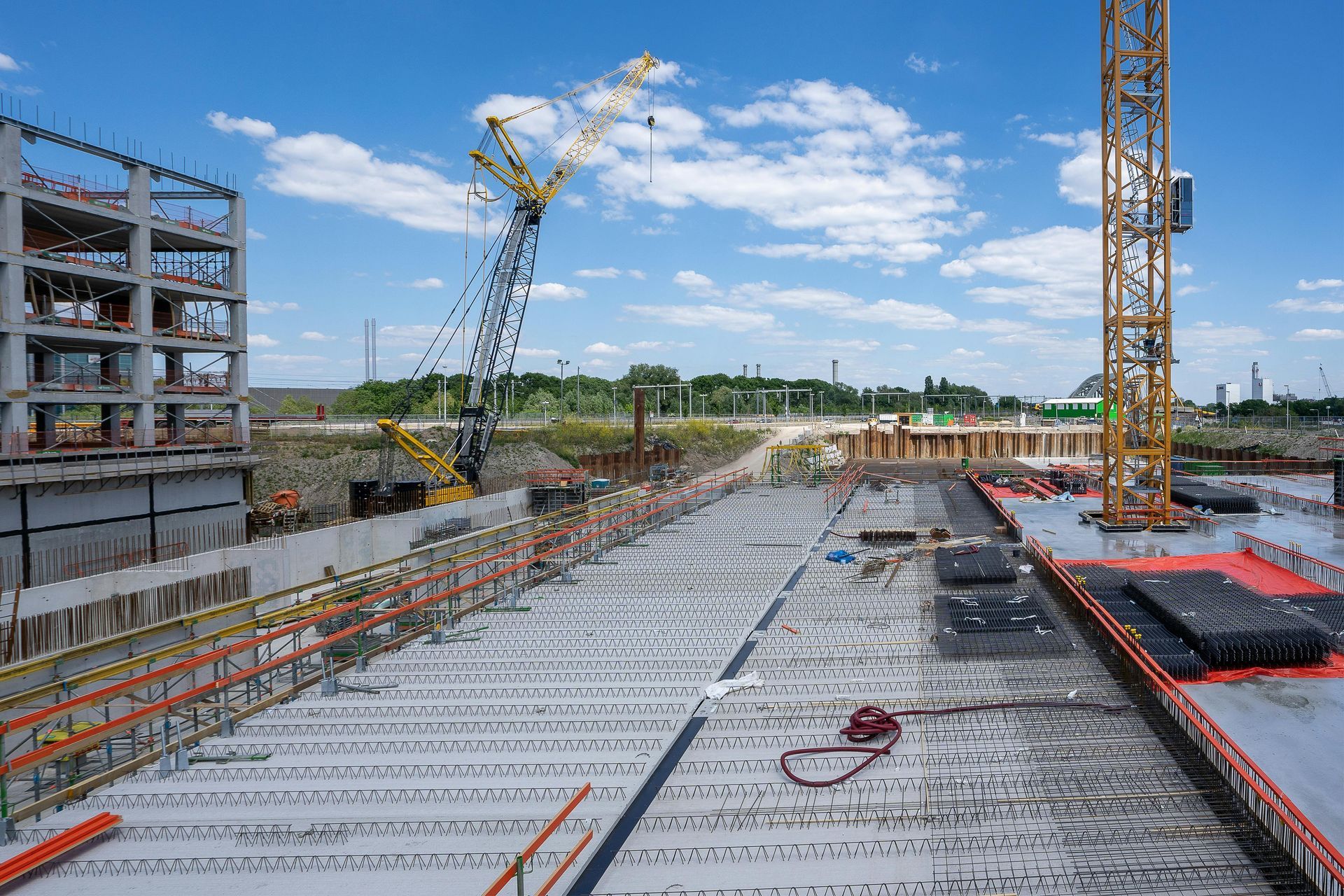
Commercial concrete projects carry a different level of consequence than residential work. A cracked residential driveway is an eyesore and an inconvenience. A cracked warehouse floor that causes a loaded forklift to bounce, a parking lot that pools water against a building foundation, or a loading dock apron that settles and creates a lip between the dock and the truck bed — these are problems that affect safety, liability, and daily business operations. The contractor you hire for a commercial concrete job makes a direct impact on how well the finished product performs, how long it lasts, and what it costs you over time. This post explains what separates a contractor who is ready for commercial work from one who is not. Commercial Concrete Is Not Residential Concrete at a Larger Scale It is a common assumption that a contractor who pours good residential driveways and patios can step into a commercial concrete project without much adjustment. That assumption leads to a lot of failed commercial slabs. Commercial concrete work involves load calculations, mix design specifications, reinforcement engineering, flatness tolerances, and drainage requirements that residential flatwork simply does not demand at the same level. A warehouse floor that will carry 10,000-pound forklifts needs a specific slab thickness, a specific concrete compressive strength, a specific reinforcement layout, and a specific sub-base depth. Getting any one of those wrong does not just produce a floor that looks bad. It produces a floor that fails under load and has to be repaired or replaced — at high cost and disruption to the business operating above it. Commercial projects also come with tighter tolerances for flatness and levelness. A floor that is slightly uneven in a residential garage is a minor issue. The same variance in a warehouse running narrow-aisle forklifts is a safety hazard. Floor flatness specifications on commercial slabs are real requirements, not suggestions. Meeting them takes experience, the right screeding equipment, and a crew that has done it before. The Real Cost of a Low Bid on a Commercial Concrete Job Price is always part of the conversation on commercial projects. It should be. But the lowest bid on a commercial concrete job is rarely the lowest cost over the life of the project. Understanding why requires looking at what corners get cut when a contractor bids low. Sub-base preparation is the first place a low-bid contractor saves time and money. Proper sub-base work involves removing soft or unstable soil, bringing in the right amount of compacted granular fill, and verifying compaction before forms go up. Skipping or shortening this step saves a day of labor and a few loads of material. It also puts the slab on an unstable foundation that will settle, crack, and require repair within a few years. In Des Moines, where clay soils shift significantly with seasonal moisture changes, a thin or poorly compacted sub-base is a near guarantee of early slab failure. Concrete mix design is another area where corners get cut. A lower-strength mix costs less per yard. It also handles heavy loads less well and breaks down faster under traffic and Iowa's freeze-thaw cycling. A contractor who substitutes a cheaper mix to protect their margin delivers a slab that does not perform to the specification the job required. Reinforcement placement is a third area. Rebar that is placed at the wrong depth in the slab, spaced too far apart, or left out entirely in areas where it was specified does not show on the surface. You cannot see it after the pour. But when the slab begins to crack, and those cracks widen and spread, the absence of proper reinforcement becomes very clear — and very expensive to address. What Experience Actually Looks Like on a Commercial Pour Experience in commercial concrete work is not just years in business. It is the specific knowledge that comes from having planned, poured, and finished large commercial slabs in conditions like Des Moines. An experienced commercial contractor reads a site before a single form gets set. They look at the soil conditions, check for drainage patterns, identify how water will move across the finished surface, and plan control joint layouts before the concrete truck arrives. They know how Iowa's clay soils behave under load and through seasonal moisture cycles. They choose mix designs based on the actual use of the slab, not a standard residential specification applied to a commercial setting. On pour day, an experienced crew manages the concrete from the truck to the finished surface without losing control of the process. Large commercial pours move fast. Concrete has a limited working window, and that window shrinks on hot Des Moines summer days when temperatures push into the 90s. A crew that has managed large pours knows how to maintain consistent quality from the first section to the last. A crew that has not done it before often shows the difference in the finished surface — inconsistent texture, control joints cut too late, or surface finishing that rushed ahead of the bleed water. An experienced contractor also understands the sequencing demands of commercial projects. They coordinate with other trades, respect the project schedule, and communicate clearly when conditions require adjustments. A contractor who shows up without a plan and figures it out on the fly creates problems that ripple through the rest of the project. Licensing, Insurance, and Accountability on Commercial Projects Commercial concrete projects involve real liability exposure. A slab that fails and causes a forklift accident, a parking lot apron that settles and damages a vehicle, or a loading dock that creates a fall hazard all carry legal and financial consequences for the property owner. Who installed that concrete and whether they were properly licensed and insured matters a great deal when those situations arise. A contractor working on commercial projects in Des Moines should carry general liability insurance and workers' compensation coverage at levels appropriate for the scope of the work. General liability protects the property owner if the contractor's work causes damage to the property or injury to a third party. Workers' compensation protects the property owner from liability if a worker is injured on the job. Hiring an uninsured contractor to save money on a commercial project transfers that liability directly to the property owner. Licensing requirements for concrete contractors vary by jurisdiction, but the underlying principle is the same everywhere. A licensed contractor has met a baseline standard of knowledge and accountability. They have a business identity that can be verified, reviewed, and held responsible for the work they produce. A contractor operating without proper licensing has none of those accountability structures in place. Ask for proof of insurance before signing any commercial concrete contract. A reputable contractor provides it without hesitation. One who cannot produce current certificates of insurance is not a contractor you want on a commercial job site. Questions to Ask Before Hiring a Commercial Concrete Contractor in Des Moines Before hiring any contractor for a commercial concrete project in the Des Moines area, ask the following questions to give you a clear picture of who you are dealing with and whether they are ready for the work. Have they completed commercial concrete projects of similar scope in central Iowa? A contractor with a strong residential track record but no commercial experience is taking on your project as a learning opportunity. That is a risk you should not accept on a job that affects your business operations. Can they provide references from commercial clients in the Des Moines metro? A contractor confident in their commercial work will have references ready. Call those references. Ask about whether the project came in on schedule, whether the finished slab met the specified tolerances, and how the contractor handled any issues that came up during the job. What mix design will they use and why? A contractor who cannot explain the mix design they plan to use for your specific project has not thought carefully about the job. The mix should be specified for the load requirements and for Iowa's climate conditions — not defaulted to whatever they use on residential driveways. What is their plan for sub-base preparation? The answer to this question reveals more about a contractor's standards than almost any other. A contractor who plans to compact what is already there and pour is cutting corners before the job even starts. Proper sub-base work for a commercial slab takes time and material. A contractor who accounts for that in their process is a contractor who understands what the job requires. Commercial Concrete Done Right Protects Your Business A commercial concrete slab is not just a floor. It is the foundation of daily operations for the business above it. A slab that performs well protects workers, equipment, and inventory. A slab that fails disrupts all three and generates repair costs, liability exposure, and operational downtime that far exceed whatever was saved by choosing the wrong contractor. DSM Concrete Pros pours commercial concrete slabs, parking lot flatwork, loading dock aprons, curbs and gutters, and exterior concrete for businesses throughout the Des Moines metro. We bring the right equipment, the right mix designs, and the right process to every commercial job we take on. If you have a commercial concrete project coming up, call us today or fill out the contact form to schedule a free on-site estimate.
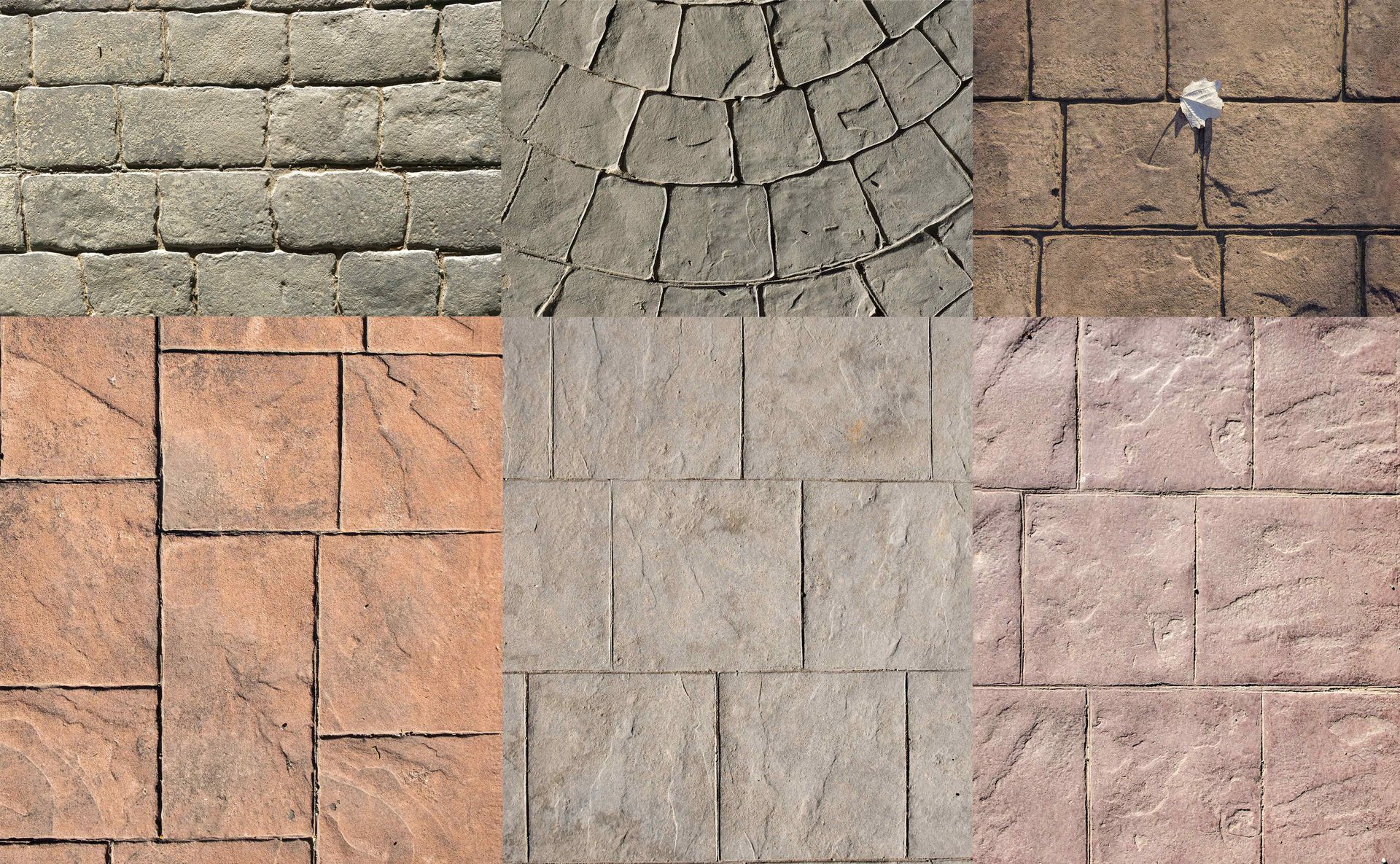
There are many things to consider when deciding whether to go with stamped or decorative concrete. DSM Concrete Pros explains what you need to know.